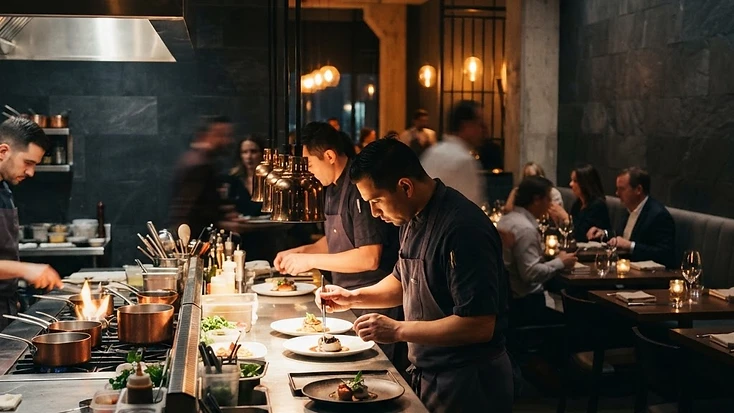
Unlocking Restaurant Working Capital for Fall 2026
Discover how flexible financing like revolving lines of credit and MCAs can help restaurants prep for the upcoming holiday rush without credit harm.
As autumn begins, operators in the food service sector face an annual reality check: the high-stakes transition into the holiday dining season. Between shifting food costs, supplier inventory deposits, and hiring demands, cash flow pressure tends to peak right around September. According to recent insights on restaurant industry expectations, managing supply chain inputs and maximizing operational efficiency are top priorities for dining businesses in 2026.
Whether preparing outdoor seating transitions, revamping seasonal menus, or gearing up for corporate catering bookings, maintaining adequate working capital ensures you stay ahead of consumer demand rather than scrambling to catch up.
The Fall Cash Crunch in Food Service
Unlike traditional retail, restaurants face daily fluctuations in supply expenses and variable consumer spending patterns. As highlighted by Fora Financial's analysis of small business finance trends, cash flow volatility remains a major hurdle for business owners, with over 40% struggling with seasonal revenue swings. Waiting weeks for traditional bank underwriting is no longer practical when an industrial freezer fails or bulk inventory discounts become available for a limited window.
Today, modern food entrepreneurs leverage agile financing instruments that adapt to real operational rhythms rather than imposing rigid balance-sheet constraints.
Matching Products to Restaurant Needs
Selecting the right capital structure prevents costly repayment friction down the road. Consider how these funding options address common restaurant demands:
- Business Line of Credit or Revolving Line: Ideal for variable weekly operational expenses. You draw capital only when payroll or supplier invoices require a bridge, pay interest on what you use, and replenish the line as dining revenues pour in.
- Interest-Only Revolving Line of Credit: Minimizes immediate debt-service pressure during slower shoulder months, allowing cash reserves to remain focused on revenue-generating prep.
- Merchant Cash Advance (MCA): Perfect for high-volume eateries with steady card transactions. Advances are repaid via a percentage of daily credit card receipts, meaning payments naturally flex downward during a slow Tuesday and accelerate during a packed Saturday.
- Flex Pay Loans: Offer tailored payment schedules designed specifically around uneven cash flows, protecting operators from sudden liquidity dips.
- Working Capital Loans: Provide structured lump sums suited for upfront renovations, new kitchen equipment installations, or bulk food purchases.
Speed, Scale, and Zero Credit Score Impact
In modern commercial lending, market data shows non-bank and alternative lenders capture roughly 30% of small business financing, largely driven by speed and simplified documentation. According to The Broker Shop's funding report, soft-inquiry pre-qualification has become table stakes across the funding landscape.
At NBP Funding, our marketplace connects businesses with capital options ranging from $5,000 to $1,500,000. Because our initial pre-qualification relies exclusively on a soft credit check, your personal and business credit scores remain completely unaffected while you explore offers.
Prepare Before the Holiday Rush
Securing working capital proactively gives you negotiating power with food distributors, guarantees adequate staffing, and lets you tackle unexpected repairs without touching payroll. With qualified approvals receiving disbursements in as little as 24 to 48 hours, your business can lock in the liquidity it needs before the busy fourth quarter begins.