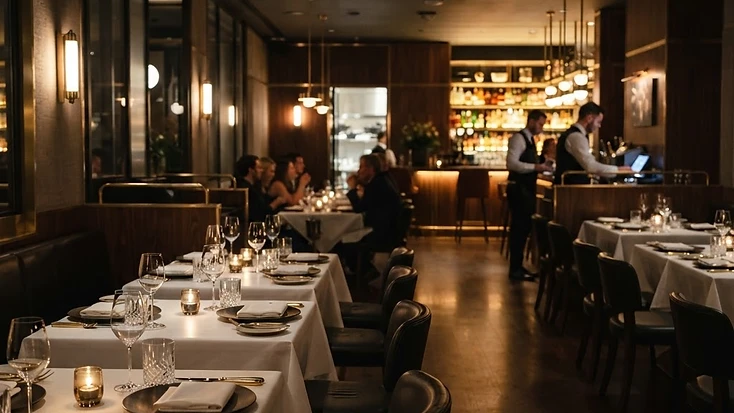
Unlocking Restaurant Capital: Why Working Capital Loans Lead 2026
Discover how restaurants in 2026 navigate cash flow hurdles using flexible working capital loans and fast fintech solutions.
Running a restaurant has always required managing fine margins and fluctuating demand. As we move through 2026, culinary entrepreneurs face a unique economic reality: dining demand remains resilient, but persistent food costs, rising wage benchmarks, and commercial lease pressures continue to compress daily operating margins.
According to the National Restaurant Association, nearly 60% of restaurant operators report needing additional working capital to balance ongoing operating expenses and expansion goals. In a high-velocity environment where kitchen equipment can fail without warning or a sudden supplier price surge can disrupt dinner service, access to flexible, fast capital is no longer a luxury—it is an operational lifeline.
The Cash Flow Reality for Modern Hospitality
Unlike traditional brick-and-mortar retailers that turn inventory on a monthly basis, restaurants turn perishable inventory daily. Payroll hits every other week regardless of customer volume, and point-of-sale deposits can lag over holiday weekends. When bank underwriting takes anywhere from four to eight weeks, waiting on a traditional commercial loan to repair a walk-in freezer or cover an off-season dip is rarely viable.
Today, modern restaurant operators are shifting away from slow, paper-heavy commercial banking channels and embracing flexible working capital financing and revolving lines of credit. Marketplaces like NBP Funding are witnessing this direct demand firsthand, where food service owners lead application volume seeking funding solutions ranging from small emergency boosts to multi-location growth injections.
Strategic Funding Solutions Designed for Restaurants
Depending on your cash flow cycle and upcoming goals, choosing the right structure protects your bottom line:
- Working Capital Loans: Ideal for purchasing bulk seasonal inventory, rolling out seasonal menu updates, or managing short-term cash flow gaps without tying up personal collateral.
- Revolving Lines of Credit: Draw capital on demand to manage supplier invoices or unexpected maintenance, repaying the balance to reuse the line as needed.
- Interest-Only Revolving Lines of Credit: Keep monthly cash outflows minimal during transitional periods by only paying interest on the money you actively draw.
- Merchant Cash Advances & Flex Pay Loans: Allow your repayments to adjust alongside daily debit and credit card receipts, ensuring you never pay more than your revenue permits during slower foot-traffic weeks.
Preparing Your Restaurant for Rapid Approval
Securing small business funding in 2026 does not require weeks of paperwork. To streamline your approval and fund within 24 to 48 hours, keep these benchmarks in mind:
- Maintain Clean Banking Records: Lenders focus heavily on consistent monthly gross revenue and average daily bank balances rather than just a traditional credit score.
- Leverage Soft Credit Pre-Qualifications: You can explore capital amounts between $5,000 and $1,500,000 without dinging your credit score, allowing you to compare options with confidence.
- Clarify Capital Purpose: Whether upgrading commercial kitchen equipment or adding an outdoor patio dining area, pinpoint the expected return on capital to select the right term and repayment flexibility.
Smart restaurant operators do not wait for an emergency to structure their funding strategy. By securing flexible capital now, you safeguard your operational momentum and keep your tables turning throughout the year.